
A practical guide for European small businesses on choosing reliable payroll solutions, comparing cost, compliance, and automation features.
Payday is approaching, and the calculations are still not finished. This scenario is familiar to many small business owners in Europe. At the end of the month, employees’ salaries, tax deductions, social security deposits – all this creates a lot of stress.
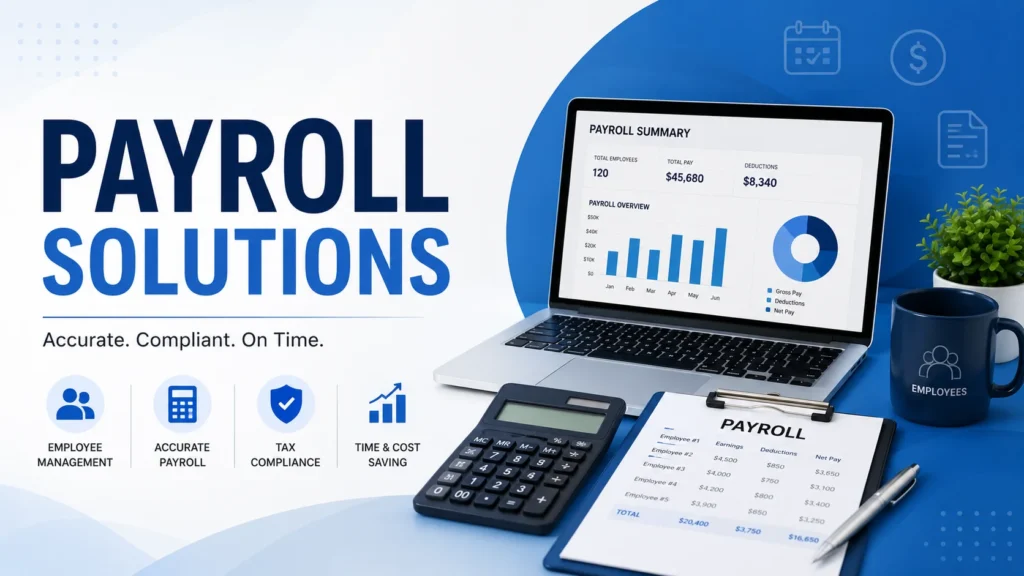
To reduce this stress, modern “payroll solutions“ have come to the market, which make the calculation work much easier. However, the problem is that it is not easy to understand which of these tools is actually right for your business. The following discussion will show you step by step how to make this decision wisely, without making mistakes.
Problems faced by small businesses in the payroll process
While calculating salaries may sound simple, in reality it is a multi-layered task. Each employee’s working hours, vacations, and bonuses have to be calculated separately. If there is even a slight mistake in this calculation, the employee’s trust is immediately lost. The time it takes to restore trust could have been better spent on other business tasks.
Risks of manual calculations
One wrong number calculated by hand in a spreadsheet can mess up the entire month’s report. This mistake is usually caught at the end of the month, when there is no time to correct it. This pressure of time is gradually leading owners to digital solutions.
Differences in laws by country
Every country in Europe has different tax and labor laws, and even neighboring countries often do not have the same rules. This discrepancy in rules is a difficult task for a small business owner to keep in mind. The right technology can make this difficult task easier.
Pressure on time management
The more time spent calculating salaries, the less time is spent on customer service or selling products. If this division of labor is not done properly, business growth will gradually slow down. To avoid slow growth, many are now turning to automation.
Things to check when choosing the right tool
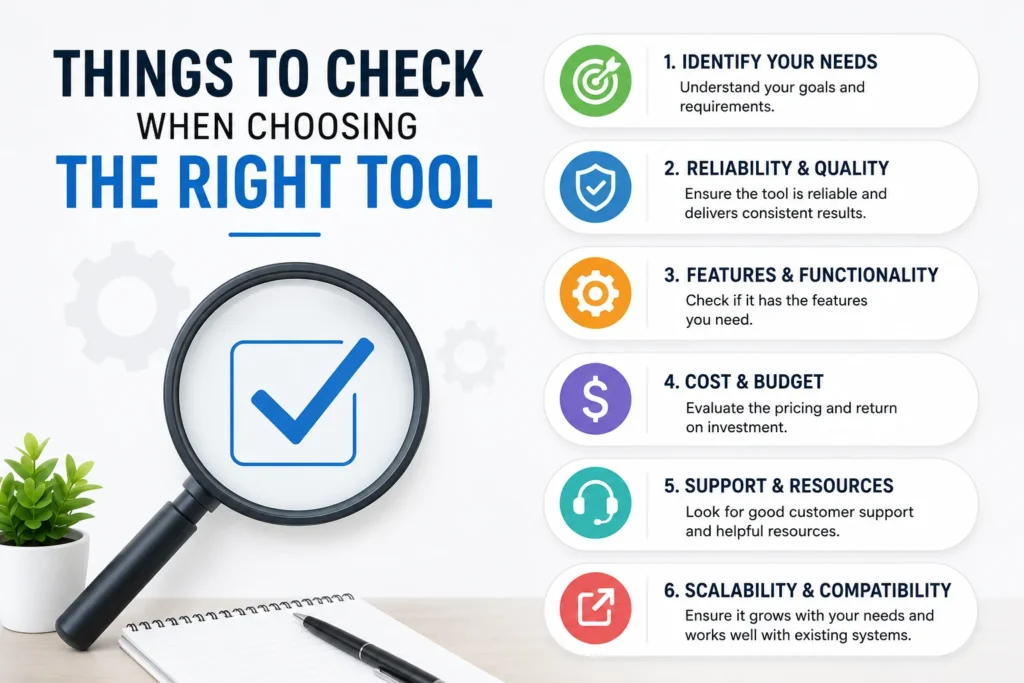
Before choosing a tool, it is important to clearly understand the needs of your business. Since every business has different staff numbers, budgets, and types of work, the same tool does not work for everyone. Therefore, checking a few specific things makes it much easier to make a decision. This verification process is actually the first step to avoiding the wrong decision.
Understanding the pricing structure
It is important to be clear in advance about the monthly fee per employee and what benefits are associated with that fee. If there is clarity, there will be no unexpected cost shocks at the end of the year. Many people compare different packages in advance to avoid shocks.
Quality of customer support
How quickly help is available in case of a problem is an important issue. If you get help quickly, the risk of delay in paying salaries is greatly reduced.
Data security verification
Employee personal information and payroll are sensitive data, so it is important to verify how secure this data is. Encryption and GDPR compliance should also be considered as part of this important verification. This practice will save you from legal complications in the long run.
Integration Capability
Choosing a tool that can be directly integrated with accounting or HR software eliminates the hassle of typing data twice. Without the hassle, the chances of errors are naturally reduced. Naturally, this advantage makes a big difference over time.
Reporting Facility
When you can easily find out how much was spent at the end of the month, how much went to which department — this information makes business planning easier.
Easy planning means making future decisions with more confidence.
| Topics | Tools for small teams | Tools for multi-national teams |
| Monthly cost | Low, per employee basis | Comparatively high, custom rate |
| Tax Management | Single Country Rules | Multiple Country Rules Together |
| Support | Chat/Email | Dedicated Account Manager |
| Suitability | Startups & Small Teams | Large or Expanding Businesses |
Keeping this comparison in mind when choosing a good payroll solutions makes the decision easier. This simple decision not only saves money, but also reduces the stress of the employer.
You may also read: Payroll and tax services
Things to remember after launching the tool
The next step after choosing a tool is to develop a habit of using it properly. If the habit is not right, even expensive software cannot provide full benefits. Therefore, following some small rules can yield better results in the long run.
Regular information update
If an employee’s salary increases, someone new joins or leaves, it is important to update that information in the system immediately. If the update is delayed, there is a risk of errors being entered in the next month’s account. To avoid risks, it is a good practice to assign this responsibility to a specific employee.
Providing transparency to employees
If the employee himself can view his pay slip and leave account online, the number of complaints naturally decreases. Due to these reduced complaints, the HR team also saves time every month.
The goal is to make payroll a never-ending obstacle in the journey of running a business in Europe. When you set a goal, you can see that the right tools and the right habits work together to make the whole process much easier. This simple process starts with a small decision, finding the right answer to the question of which tool to choose. Once you find the answer, you can see that the pressure you felt at the beginning of each month is gradually decreasing.
This reduced pressure saves the owner time, increases employee confidence, and moves the business forward steadily. Once stability is created, the day of each month’s paycheck is no longer a source of stress. Because it is not, many businesses are now paying more attention than before to investing in this sector. This investment decision may be the most decisive decision for the future course of a business.
Hopefully, we have discussed all the above points, and if we follow the rules and regulations accordingly, it will be better for everyone.
Frequently Asked Questions (FAQ)
1. Are payroll tools too expensive for small businesses?
No, most tools charge per employee, which is affordable for small teams.
2. What should you keep in mind if you have employees in multiple countries?
You should choose a tool that can handle the tax and labor laws of each country separately.
3. What are the benefits of going from manual accounting to digital?
The chances of errors are reduced, and a lot of time is saved every month.
4. How secure is employee data?
Good tools usually have both encryption and GDPR compliance.
5. Can payslips be shown automatically?
Yes, tools with self-service portals can view it themselves.